Classical education
Far from outdated.
Classical education, rooted in the traditions of the Greeks and Romans, aligns with the natural stages of child development, providing a dynamic learning experience.
The three ways
Teaching to a child’s developmental strengths.
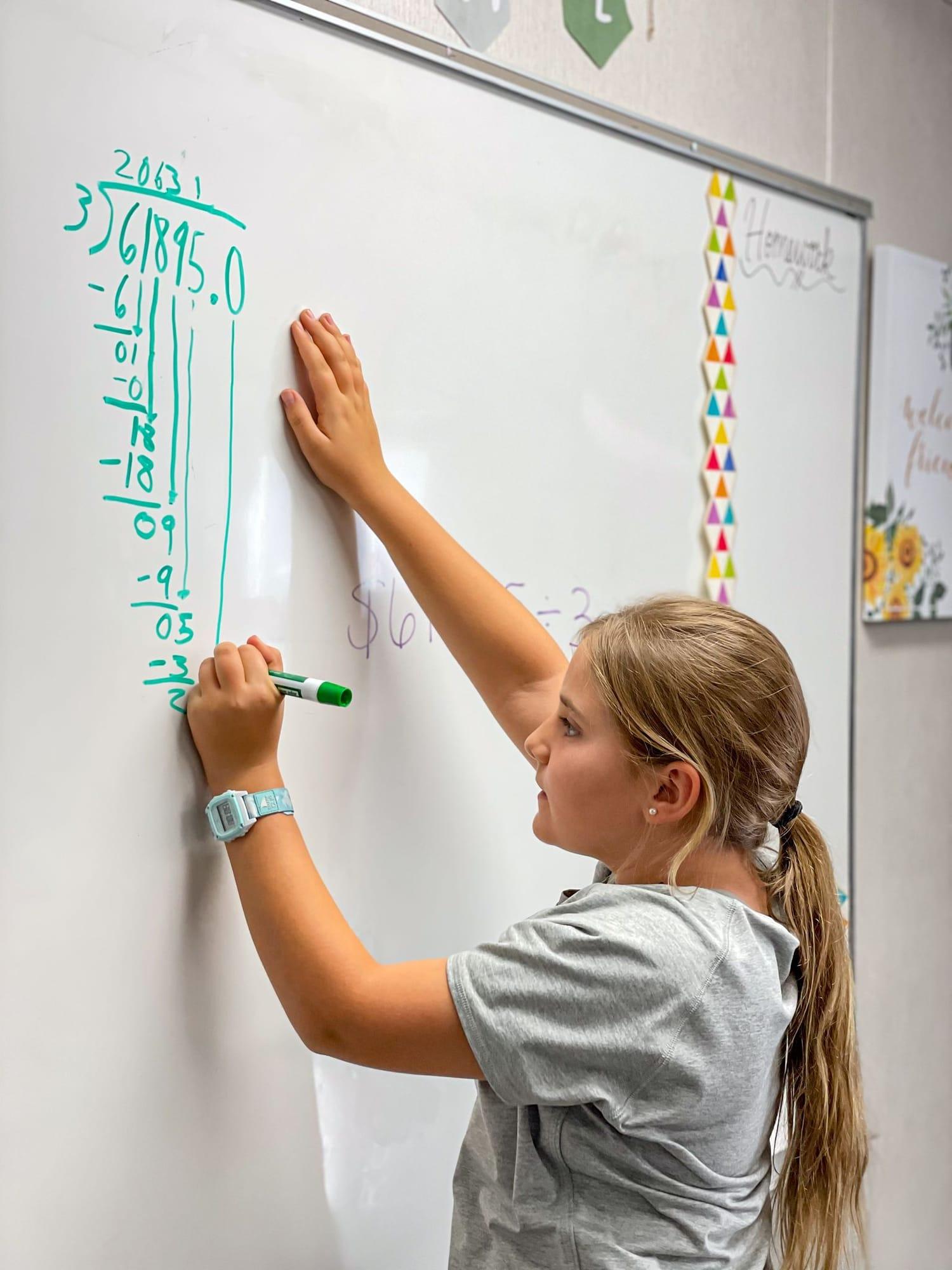
At the heart of classical education lies the Trivium, Latin for “the three ways,” which consists of Grammar, Logic, and Rhetoric. This framework allows students to engage with their education in a way that capitalizes on their developmental strengths.
By employing classical methods, we equip students with essential learning tools that prepare them for both the workforce and higher education, regardless of the specific content they will encounter. As the landscape of careers evolves, we aim to cultivate adaptable thinkers who can navigate and even shape the future job market.
Central to our curriculum is Christ, whom we seek to honor and serve within our learning community. We prioritize student ownership of the learning process, striving to create an environment where students feel a sense of accomplishment, even when faced with difficult material. While progressive education often emphasizes knowledge acquisition, classical and Christian education focuses on the holistic formation of heart, mind, and spirit, fostering true human flourishing.
The stages at Veritas
Grammar School
Kindergarten – 6th grade. Students take in new information, memorize it and recite it through song, poetry and chant. At this stage children can retain vast quantities, and wonder becomes a love of learning.
Learn moreLogic School
7th – 8th grade. Naturally argumentative students learn to question well. Through formal and informal logic and Socratic seminar, they learn to debate with respect and dignity.
Learn moreRhetoric School
9th – 12th grade. The culmination of the arts of language: persuasive speech and writing that carry learning out of the classroom and into the public square, with winsomeness.
Learn more
A resurgence
The Good Soil Report.
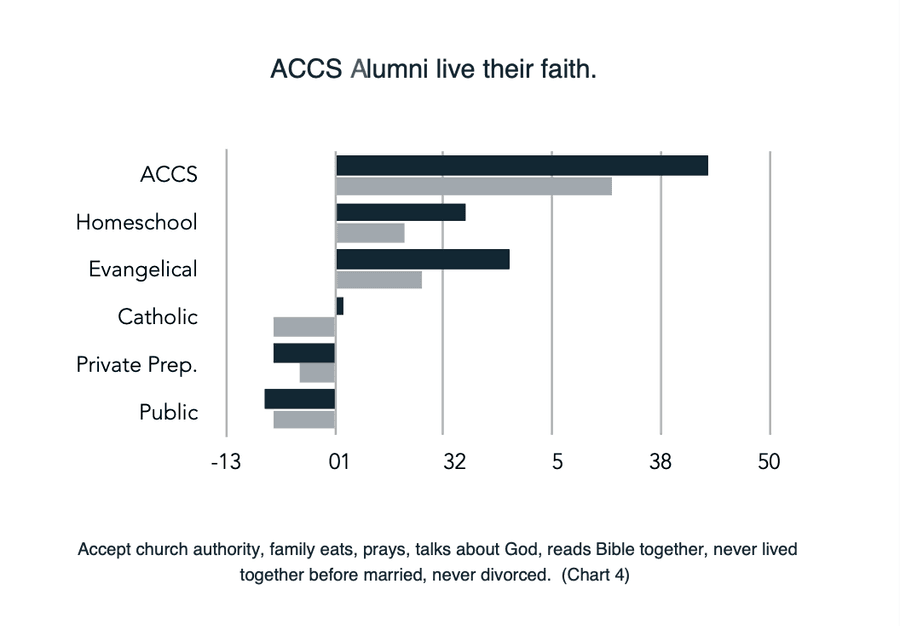
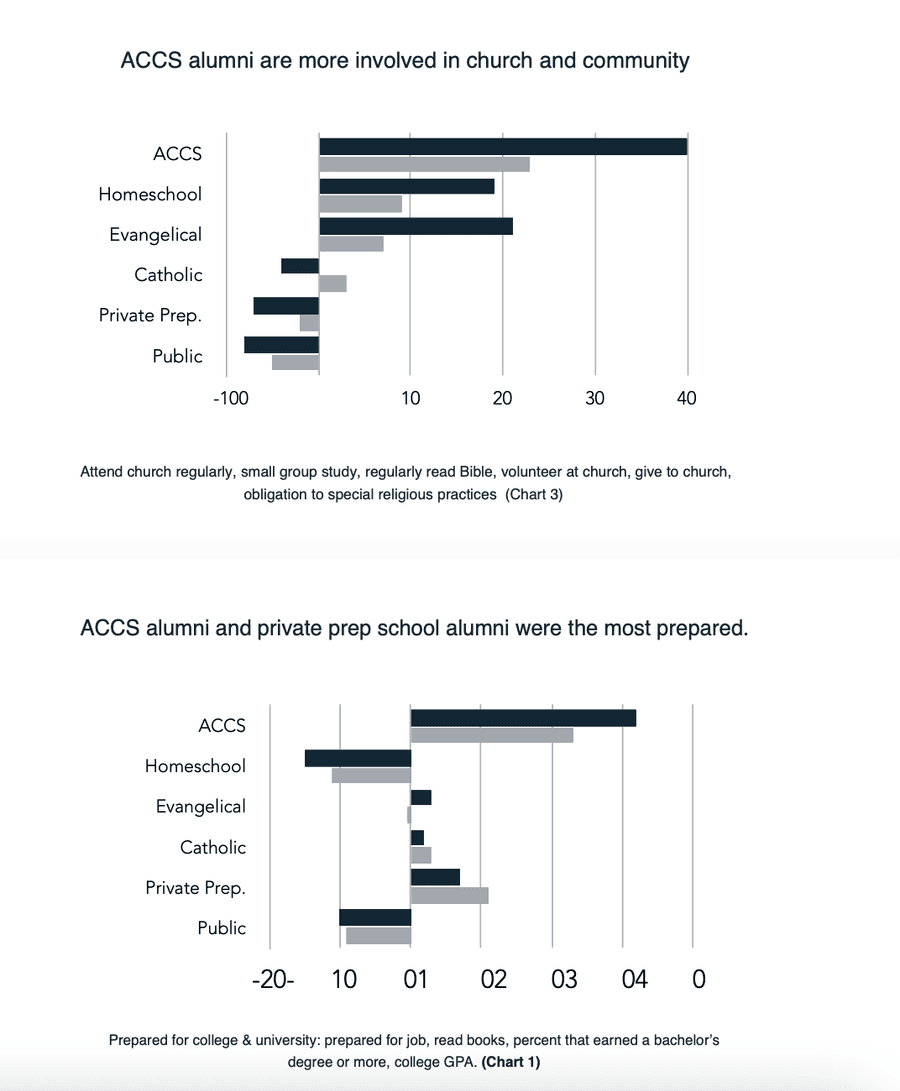
The classical Christian education resurgence began in the early 1990s following publication of Douglas Wilson’s Recovering the Lost Tools of Learning (1991). In 2020 the Association of Classical Christian Schools commissioned a study by the University of Notre Dame’s Sociology Department to assess the impact of classical education.
The Good Soil Report tracked the practices, beliefs, attitudes, and other outcomes of alumni from public, secular preparatory, Catholic, evangelical Protestant, and religious home schools, statistically isolating the effects of the school from those of the family or the church. It found ACCS alumni are “the most prepared for college and have healthy outlooks on life,” “continue and grow in their Christian faith,” and are potentially the “saltiest” of the groups tracked, a reference to Jesus’ words in Matthew 5:13.
Common questions
- What is the Trivium?
- The Trivium, Latin for “the three ways,” is the heart of classical education. It has three stages, Grammar, Logic and Rhetoric, that match the natural stages of a child’s development. At Veritas, Grammar School is kindergarten through 6th grade, Logic School is 7th and 8th grade, and Rhetoric School is 9th through 12th grade.
- Is classical education outdated?
- No. Classical education, rooted in the traditions of the Greeks and Romans, aligns with the natural stages of child development. It equips students with learning tools that prepare them for both the workforce and higher education, so they become adaptable thinkers who can navigate, and even shape, a changing job market.
- What makes classical education Christian?
- Christ is the center of the curriculum. The Bible and its teachings form the foundation, mentor teachers live out their beliefs before students, and the goal is the formation of heart, mind and spirit for human flourishing, not information alone.
- What does research say about classical Christian graduates?
- The Good Soil Report (2020), a study of alumni conducted with the University of Notre Dame, found ACCS alumni to be “the most prepared for college,” with healthy outlooks on life, and continuing to grow in their Christian faith.

Admissions
Come by and see us.
The best way to understand a classical Christian education is to watch it happen. Schedule a visit, sit in on a class, and ask us anything.